 Port
PortHow to start investing in the stock market — First steps
No promises and no "sure things." An honest sequence of steps and a list of common pitfalls.
Before You Buy Anything
- Financial cushion — money for several months of living expenses outside the market. Without it, the first downturn will force you to sell at the worst possible time.
- Time horizon — money you'll need in a year shouldn't be in the stock market.
- Drawdown tolerance — honestly assess how you'd react to a 30% drawdown. These happen regularly.
- Brokerage account — compare commissions, minimum commissions, and currency conversion costs.
ETFs or Individual Stocks
An ETF tracking a broad index provides exposure to hundreds of companies with a single transaction and a single, predetermined fee. For most beginners, this is a more robust starting point than selecting individual stocks.
Individual stocks require time for analysis and acceptance that some choices will be wrong. There's nothing wrong with that — you just need to know it's a different activity than buying an index and waiting.
Most Common First-Year Mistakes
- Overconcentration — one company making up half your portfolio means your results depend on a single firm.
- Trading too frequently — commissions and spreads erode returns faster than the market can generate them.
- Lack of a benchmark — without comparing to an index and inflation, you won't know if your returns are good.
- Confusing contributions with profit — a growing portfolio value with regular contributions doesn't mean your investments are profitable.
- Buying based on headlines — by the time information hits the media, the share price has usually already factored it in.
What to Do From Day One
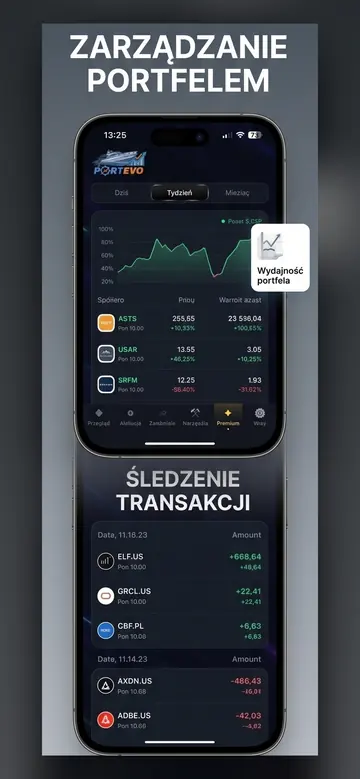
Record every transaction along with the reason for your decision. After a year, these notes are worth more than any course — they show which of your beliefs were accurate and which were not.
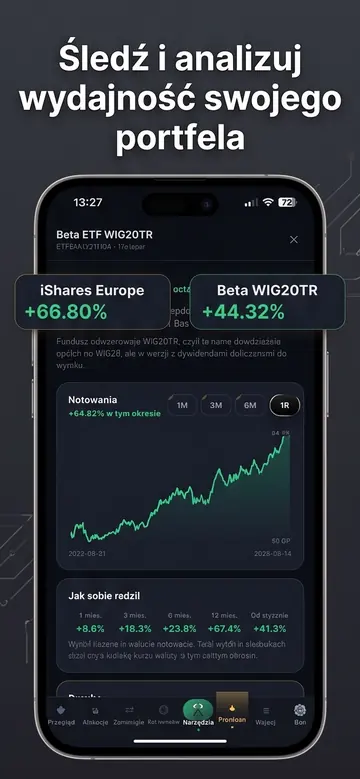
Measure your results honestly: use a rate of return that accounts for contributions, compared to the broader market and inflation. A tool that does this automatically saves hours in a spreadsheet and eliminates errors.
Frequently Asked Questions
What is the minimum amount to start investing?
Technically, a few hundred PLN, but with minimum commissions, small orders are unprofitable. It's more sensible to buy less frequently and in larger blocks.
Is it better to start with ETFs?
For most people, yes — a single transaction provides broad diversification, and the only certain cost is known upfront. This is not investment advice, but rather a description of the most common path.
How much time does investing require?
A portfolio based on broad funds can be reviewed a few times a year. Selecting individual companies is continuous work — reading reports, tracking earnings release dates, and maintaining portfolio proportions.
Related
Start by Measuring What You Have
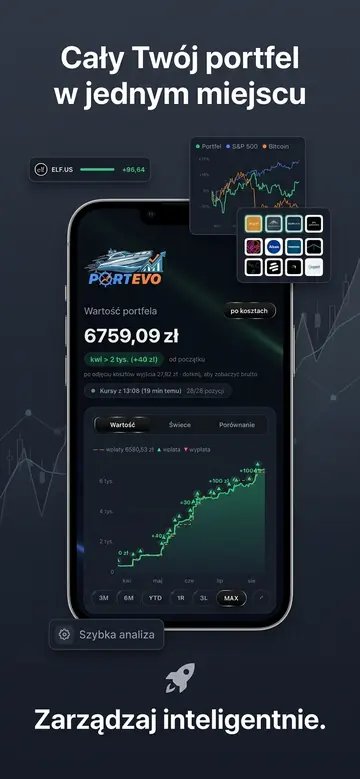
Portevo shows your portfolio value in your own currency, your real rate of return, and a comparison to indexes — for free.
Portevo is not an investment advisor. The data and analyses are for informational and educational purposes only and do not constitute a recommendation or an offer to buy or sell financial instruments. Quotes are from external providers and may be delayed. You make investment decisions at your own risk.
Your entire portfolio, company earnings, and insider trades in one place
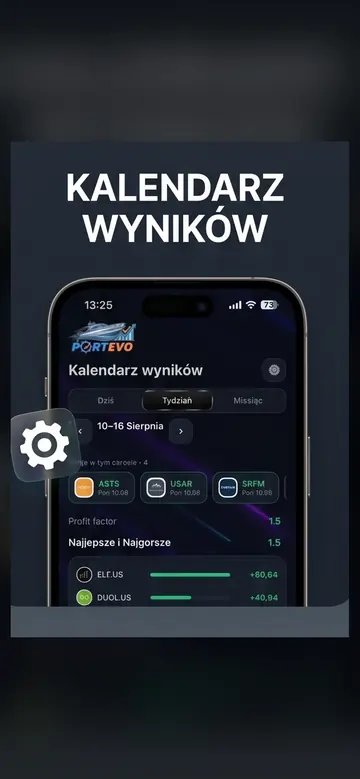
Upload your XTB report or add companies manually — Portevo will calculate your net profit after costs, show you the earnings dates for your companies, and display insider faces on charts.
- Portfolio with Net Profit After Costs
- Earnings Calendar for Your Companies
- Pelosi, Trump, and CEO Trades on a Chart
- Works in Browser and on iPhone
No credit card required. A demo portfolio is available immediately; create your own by uploading a report.